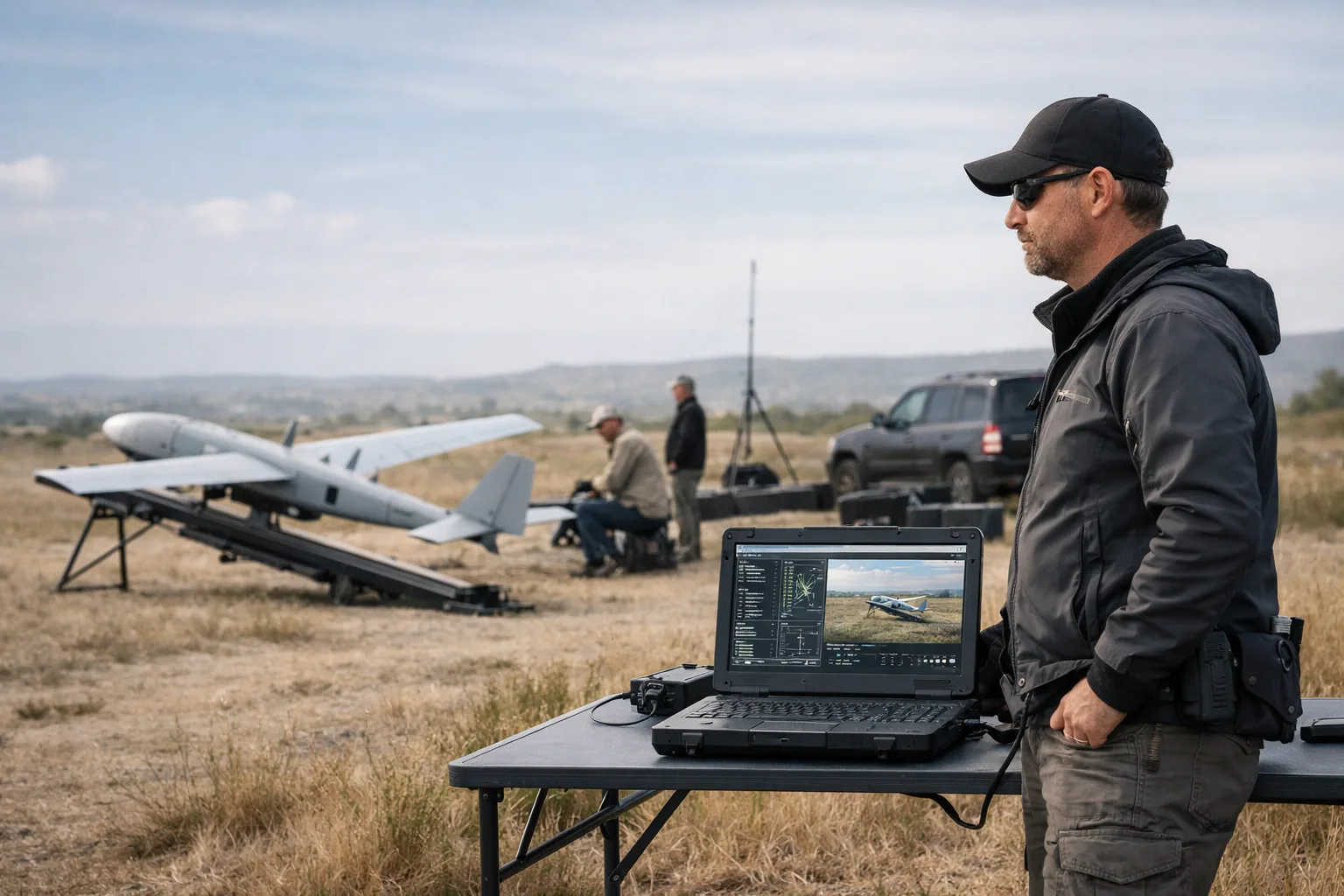
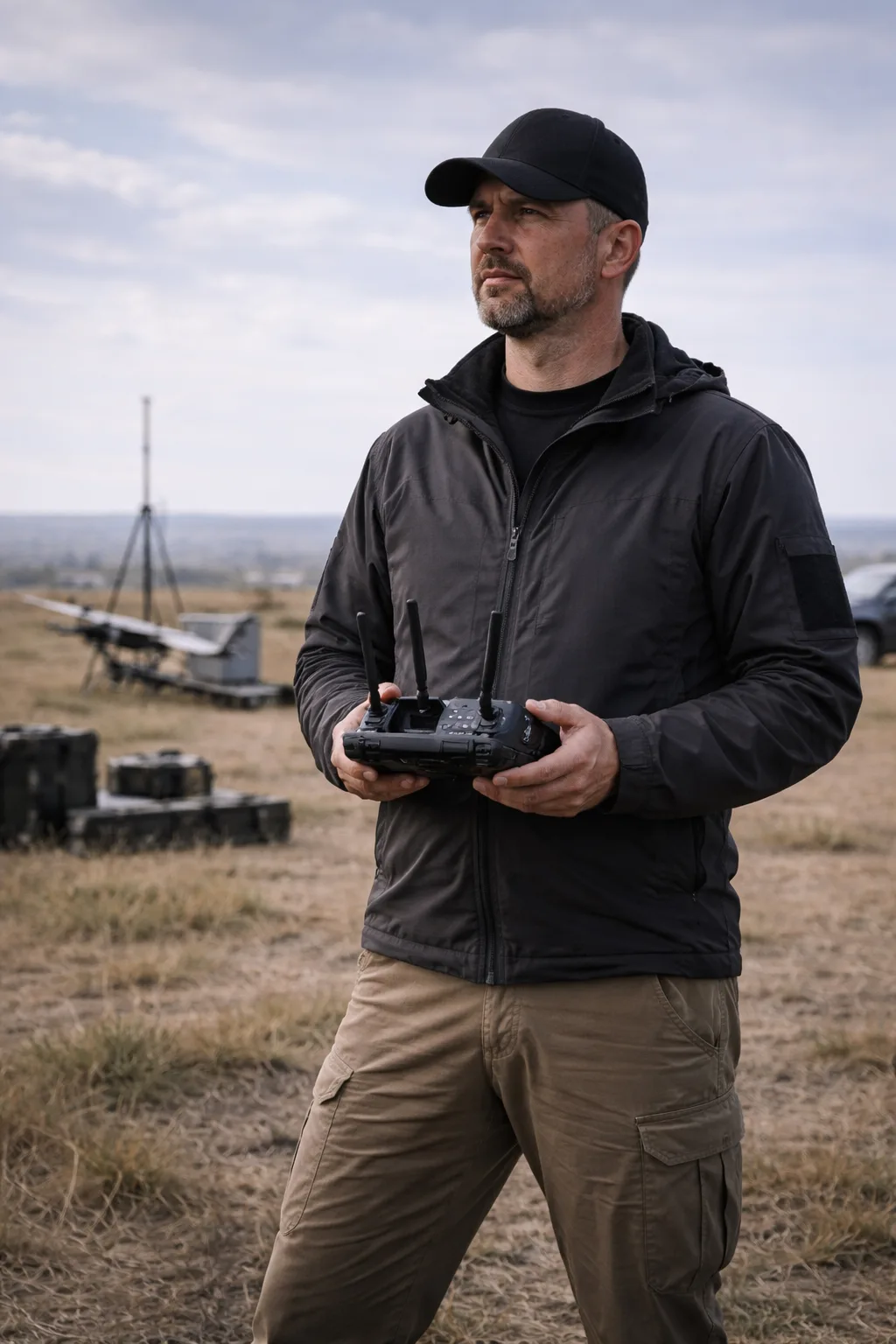
The test pilot your engineering team can actually work with.
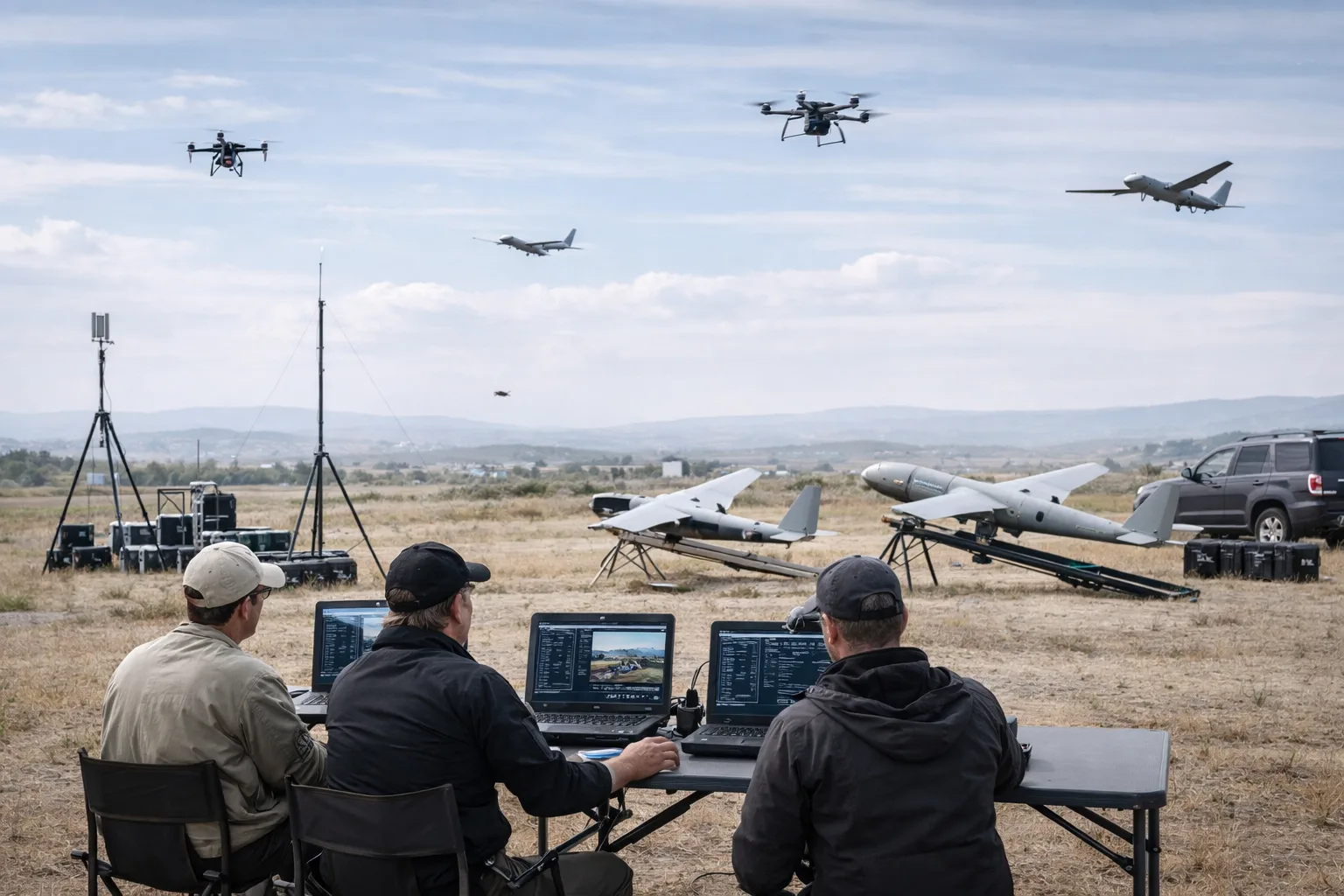
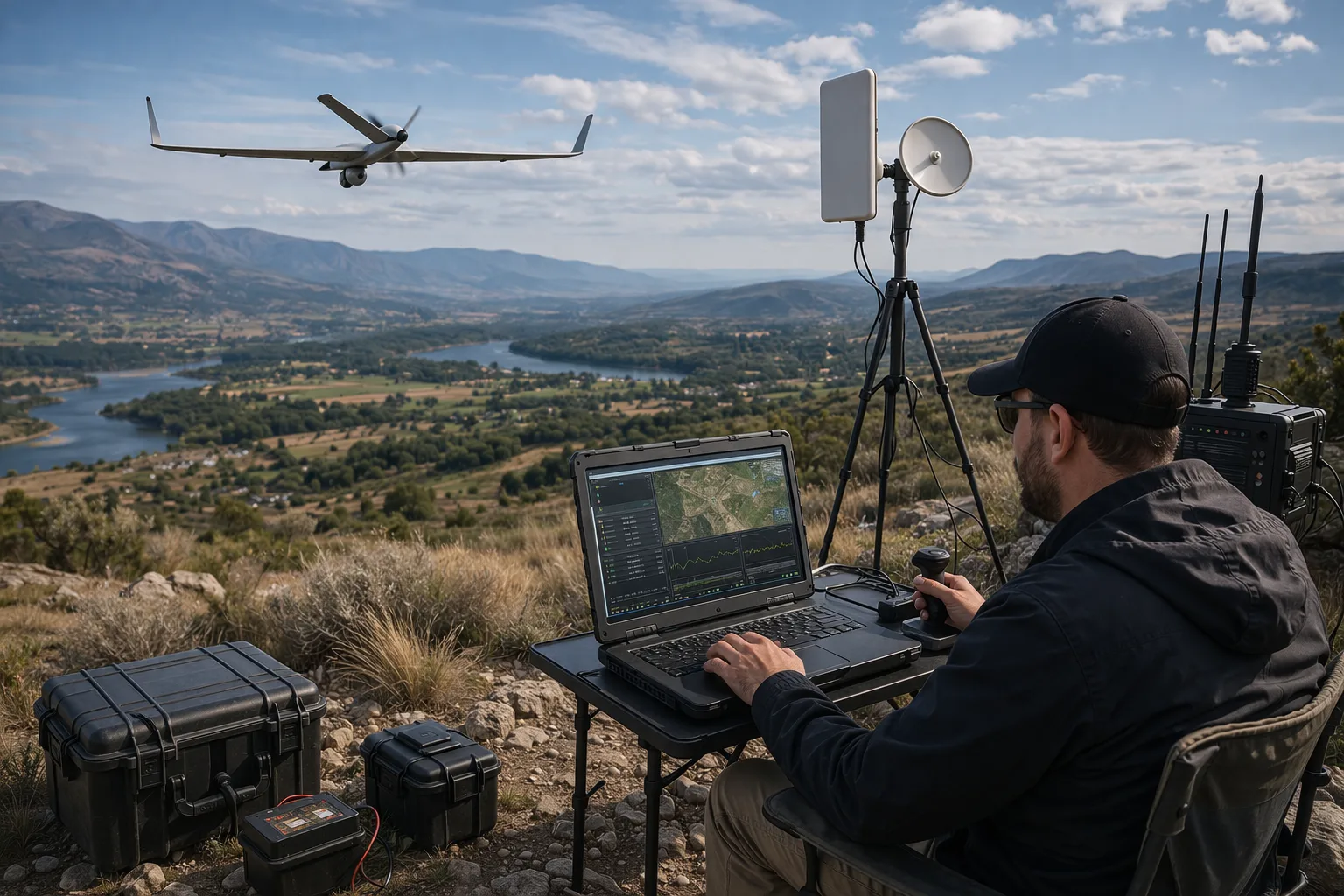
TeamFlight provides embedded test piloting and development flight support for companies building tactical UAV systems — from first flight through to operational system.
Operator and engineering perspective in one person.
The work bridges flight-line reality and development-side constraints — fewer handoffs, fewer translation errors, faster corrective action.
02
Built for programs, not products.
Support scales from a single test campaign to sustained involvement across an entire development cycle — embedded where the platform is still being shaped.
03
Disciplined, documented execution.
Safety, procedure, and regulatory alignment are treated as part of the work — not as overhead bolted on at the end.
04 — How we work
A structured approach to every engagement.
Four stages that move a UAV program from question to clear action.
01
Understand
Mission, system, constraints, and program context.
02
Define
Scope, approach, risk posture, and deliverables.
03
Execute
Field, test, or integration work carried out on site.
04
Deliver
Findings, recommendations, and clear next actions.
05 — Who we support
Teams we work with.
Industry
UAV developers and manufacturers
Flight test, integration, and certification support across the development cycle.
Defense
Defense and security organizations
Operational advisory and mission-oriented capability for serious users.
Public sector
Public-sector and emergency response
Safe deployment, operator training, and regulatory alignment.
Operations
Advanced operational teams
Experienced support for non-standard missions and demanding environments.
06 — About TeamFlight
A test pilot who speaks engineer
Most UAV development programs reach a point where engineering has taken the platform as far as it can go from the ground. You need someone at the controls who understands what the flight data means — and can close the loop fast.
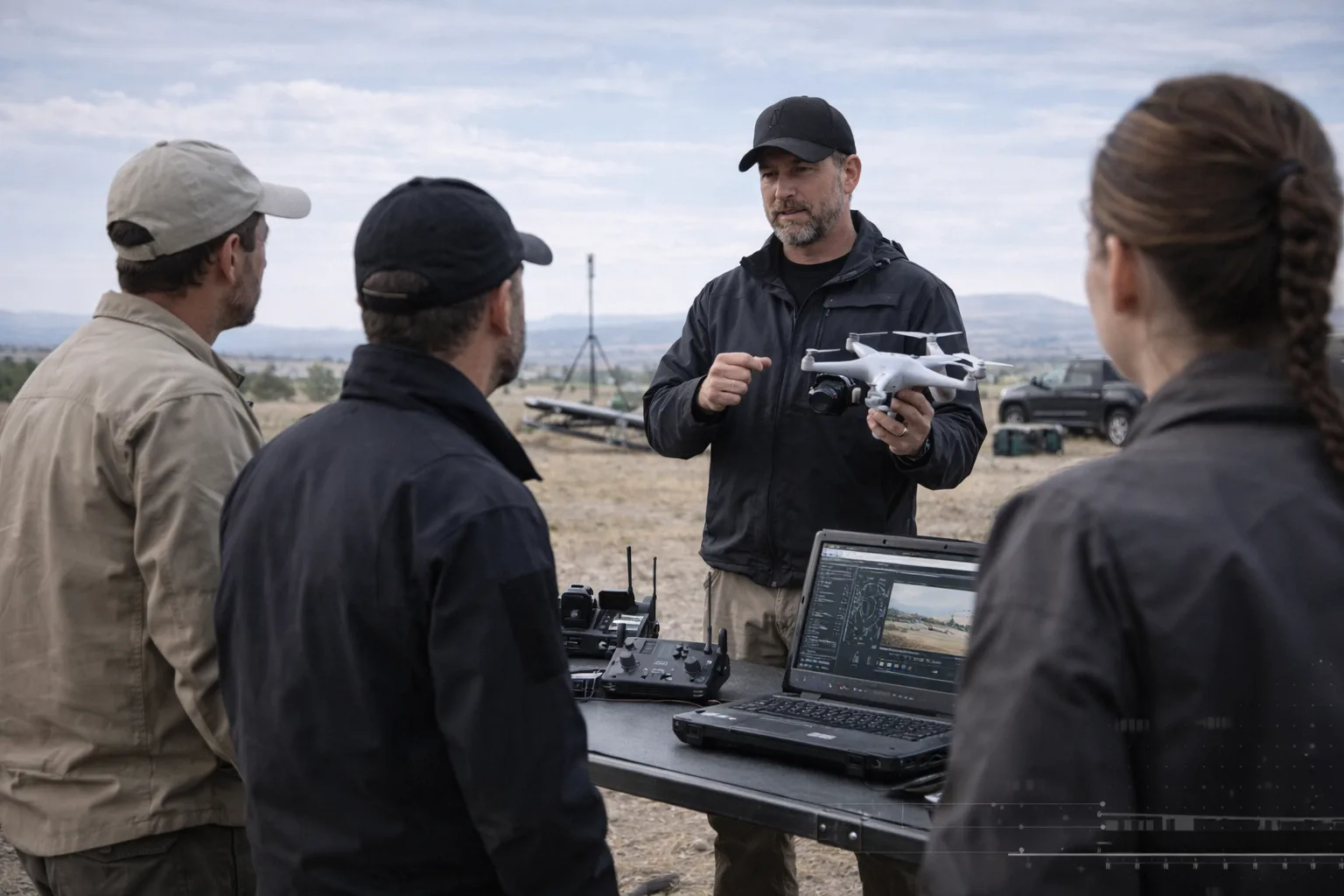
TeamFlight is Nimrod's specialized UAV development support practice. The work happens embedded inside engineering and R&D teams during the phases that matter most: when the platform is still being shaped by what it does in the air.
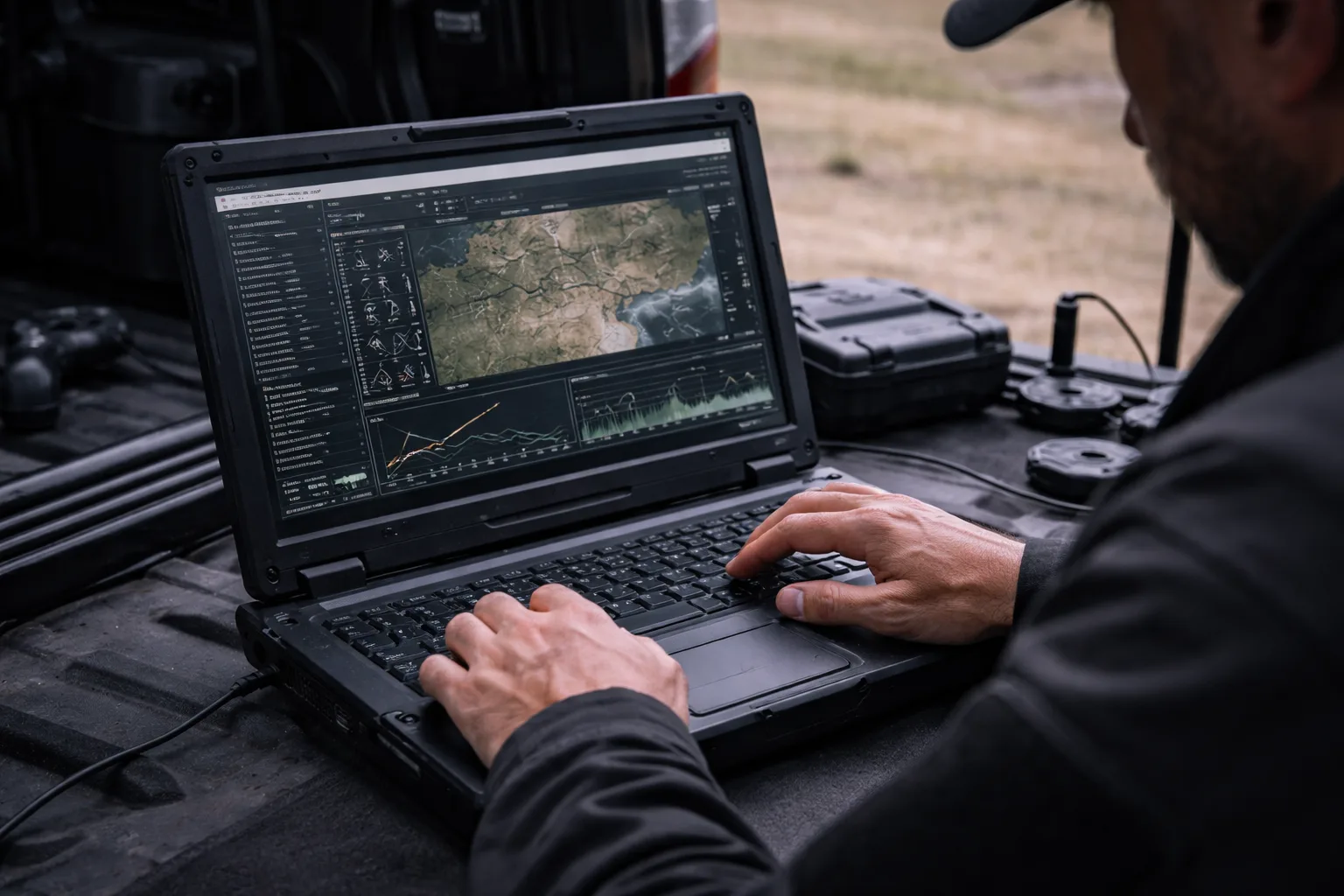
"Not a vendor. Not a consultant. The test pilot who's been through your GCS, read your flight logs, and will be there when you need to make a call on the fly."
Tactical / Defense-Grade UASHands-on development testing of defense-grade unmanned systems across multiple platform configurations.
Issues Caught Before They Became CrashesIdentified flight behavior anomalies during test that prevented loss-of-vehicle events on development programs.
Deep dives into tactical UAV flight dynamics, parameter tuning, and development strategy.
Apr 12, 2026
The Reaper Fired at a Drone. The Real Story Is the Mission Chain.
France's MQ-9 Reaper counter-drone test is not just a Hellfire story. It is a lesson in mission-envelope expansion across sensor, operator, C2, weapon, procedures and field conditions.
Moving a Capability Airborne Changes More Than the Payload Mount
Adapting an established system for airborne use sounds straightforward until power, cooling, interfaces, crew workflow and mission context all change at once.
Direct definitions for engineering teams considering when and how to embed a test pilot into their development program.
1
What does an embedded UAV test pilot do?
An embedded UAV test pilot integrates directly into drone engineering teams to provide real-world, subjective feedback. While standard operators fly nominal routes, an embedded test pilot dynamically tunes PI controllers, tests edge-case aerodynamics, and identifies physical vibration anomalies that typical flight logs might not capture before failure.
2
How is a UAV prototype's first flight systematically conducted?
A UAV prototype's first flight requires strict systematic checks, far beyond 'seeing if it flies.' It includes passthrough manual surface verification, high-power static thrust vibration analysis, and telemetry validation. The sequence progresses from basic low-altitude hover checks to verify basic stability, followed by cautious control authority scaling before advancing the operational envelope.
3
What is Flight Envelope Expansion (FEE) for drones?
Flight Envelope Expansion (FEE) is the methodical progression of testing a drone from known operating conditions into unproven aerodynamic stress regimes. Rather than immediate extreme testing, developers increase parameters in structured, data-gated increments (e.g., advancing VNE by 10 knots at a time) and establish strict abort criteria linked to real-time power consumption or surface flutter.
Contact
Start a conversation
If you're running a UAV development program and need a test pilot who can work alongside your engineering team — get in touch. Describe what you're building and where you are in the development cycle.